Old Houses
4 min

Explore Connecticut's Historic Homes Rehabilitation Tax Credit: eligibility, cost limits, early approvals and records to prepare before rehabilitation begins.
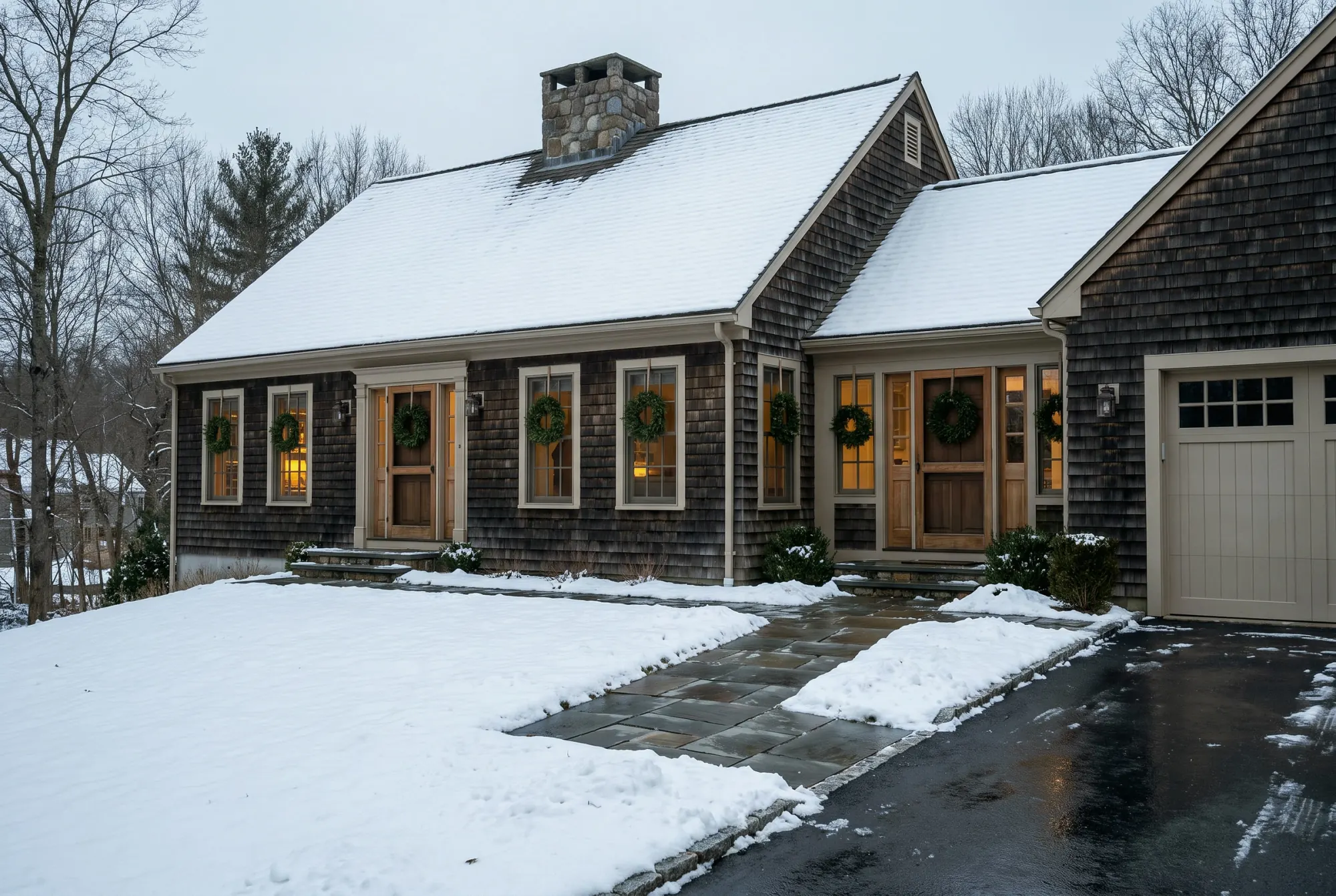
Connecticut runs a tax credit for rehabilitating historic homes that a surprising number of eligible owners never claim, usually because nobody told them it existed until the work was finished.
Review the program before work begins. Eligibility depends in part on the application, approvals and records, so it needs attention during planning.
This is a builder's summary, not tax advice. The program is administered by the Connecticut Department of Economic and Community Development, and you should confirm current terms with them and with your own accountant before relying on any of it.
The credit is calculated at 30% of the lesser of projected or actual qualifying rehabilitation costs, generally limited to $30,000 per dwelling unit. Qualifying expenditure must exceed $15,000. Nonprofit owners have a different cap.
DECD must issue a voucher before a credit can be claimed. Vouchers issued from January 1, 2024 may be applied to Connecticut income tax; eligible excess credit may be refundable. Have your tax adviser confirm the treatment for your voucher and tax year.
Several conditions have to hold at once.
Outbuildings can come into scope. A barn, carriage house or garage that contributes historically can qualify where it is worked on as part of the same project.
Connecticut's historic resource inventory, ConnCRIS, is a starting point for researching a property. Confirm the listing and contributing status through the relevant records and program administrator.
Do this early. Whether or not you are in the program affects how the work is specified and approved, and retrofitting eligibility onto a project already underway is considerably harder than planning for it.
This is the part that concerns us as builders rather than as summarizers of tax policy.
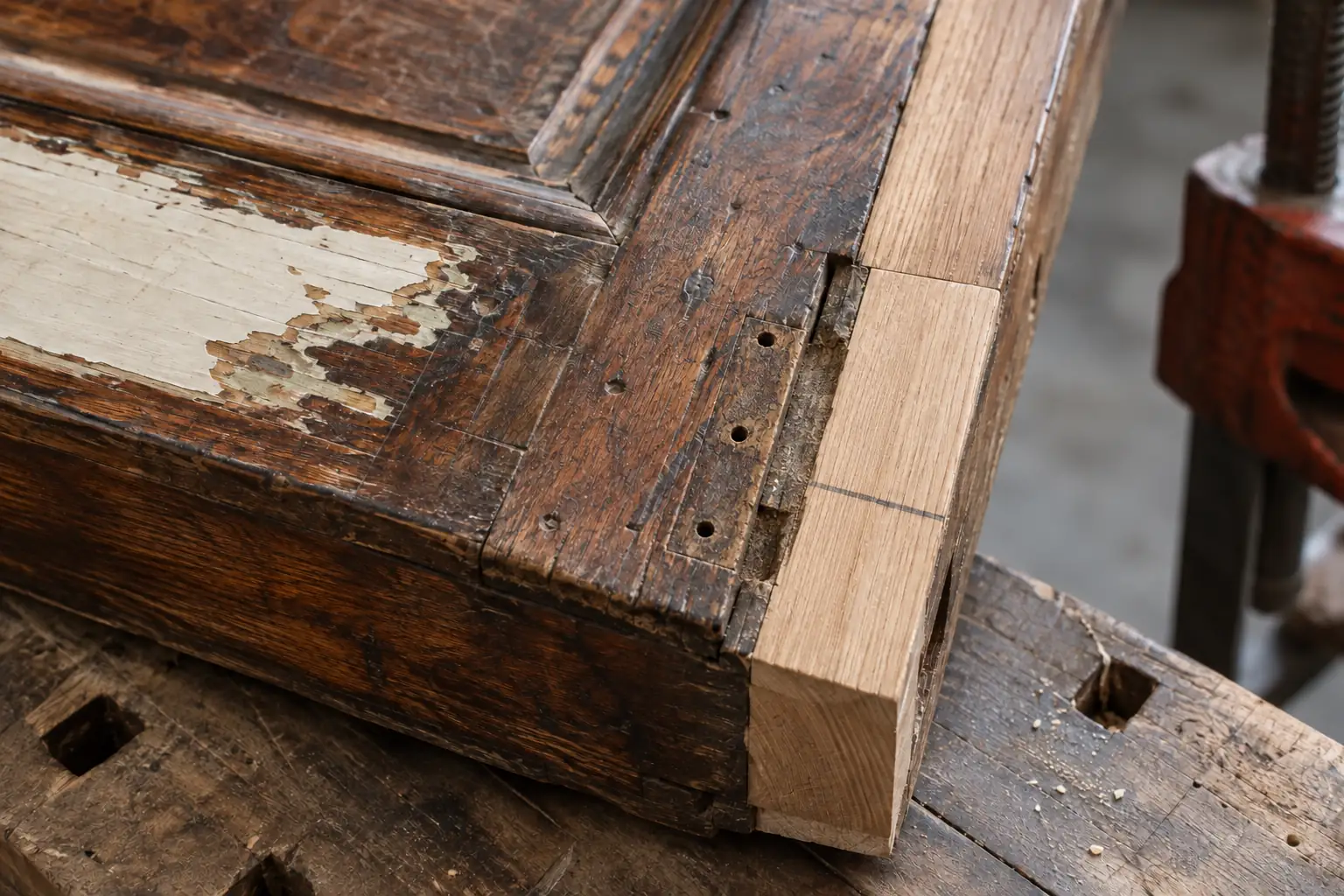
Rehabilitation programs of this kind care about how the work is done, not only that it was done. In practice that means the approach to historic fabric matters: repairing original material where it can be repaired rather than replacing it, matching profiles and materials where replacement is genuinely necessary, and documenting conditions before, during and after.
Several things follow from that.
Photograph everything before you start. Existing conditions, in detail, before any demolition. This is good practice on any old house and essential here.
Do not throw original material away by default. Original windows, trim profiles, hardware, stair parts and moldings are frequently repairable by someone who does that work. Once they are in a skip the decision is made.
Match rather than approximate. Where something must be replaced, replicating the original profile costs more than buying stock and is usually the difference between a sympathetic restoration and an obvious one.
Keep the paper trail as you go. Reconstructing documentation after the fact is miserable and sometimes impossible.
Apply to DECD before rehabilitation begins. Starting work before the required application and approval process can jeopardise eligibility.
If you think your house might be eligible, establish that before the design is finished and certainly before demolition. The conversation to have with your builder is not "can we claim this afterwards" but "does this change how we should be planning the work".
Consider the available credit in relation to the full project budget, the eligible work and the application requirements. Confirm current limits and eligibility before including a credit in your financial plan.
The preservation plan also helps organize the work: identify what can be repaired, specify matching materials where needed and document conditions as the project proceeds.
Start with DECD's Historic Homes Rehabilitation Tax Credit page for current terms and the application process, check ConnCRIS for your property, and talk to your accountant about how the voucher would work in your specific situation.
Then talk to your builder before the design is final. We work on historic and period houses across Fairfield County and Westchester, and we would much rather have this conversation in month one than explain in month six why it is now too late.
Program terms can change. Confirm current requirements with DECD before making decisions.
Source: Connecticut DRS: Historic Homes Rehabilitation Tax Credit. Check the current program requirements with DECD and your tax adviser before committing to work.