Before renovating an old house, assess original floors, windows, trim, hardware and plaster. Learn what to repair, protect and document before demolition.
September 10, 2026
The best decisions on an old house are often decisions not to do something. They are also the easiest to get wrong, because they have to be made early, under time pressure, by people who have not yet seen what the finished room will look like.
Here is how we think about it, and the specific things worth pausing over before the dumpster arrives.
The general rule
Original material that is sound and repairable is worth evaluating before replacement. Reclaimed and reproduction materials may be available, but matching the original dimensions, color, wear and detailing can take work. Weigh condition, performance, repair cost and the character of the house together.
The test is not whether something looks tired. Almost everything looks tired before it is cleaned and repaired. The test is whether it is structurally sound and whether someone who works with that material can bring it back.
Floors
Original boards, particularly old-growth heart pine, can be worth keeping. Reclaimed heart pine is available, but an exact match for existing boards is not guaranteed. Worn finish and traffic marks are different from structural damage, moisture problems or boards that have little remaining thickness for sanding.
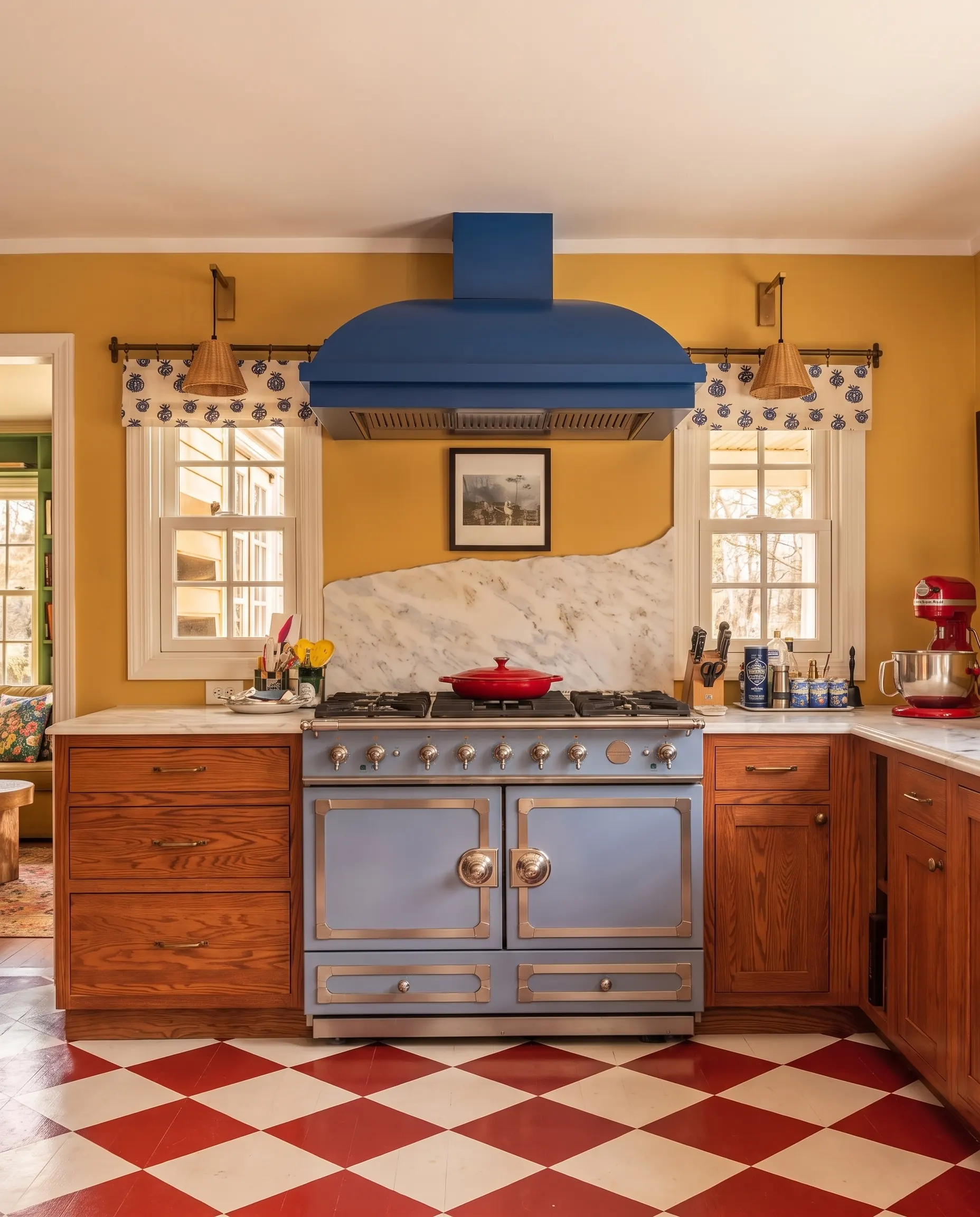
Get someone who works with old floors to look before you plan around replacement. Refinishing an old softwood floor is a specialist job, different from refinishing oak, and a crew that treats it the same will take too much material off. The Black and Pine Kitchen was designed entirely around that one decision.
Trim, moldings and stair parts
Period trim profiles are often unavailable off the shelf. Matching them may require custom cutters, which adds cost but helps new work sit comfortably beside the original.
Where trim has to come off for other work, label it and store it properly. Reinstalling original trim is far cheaper than replicating it.
Windows
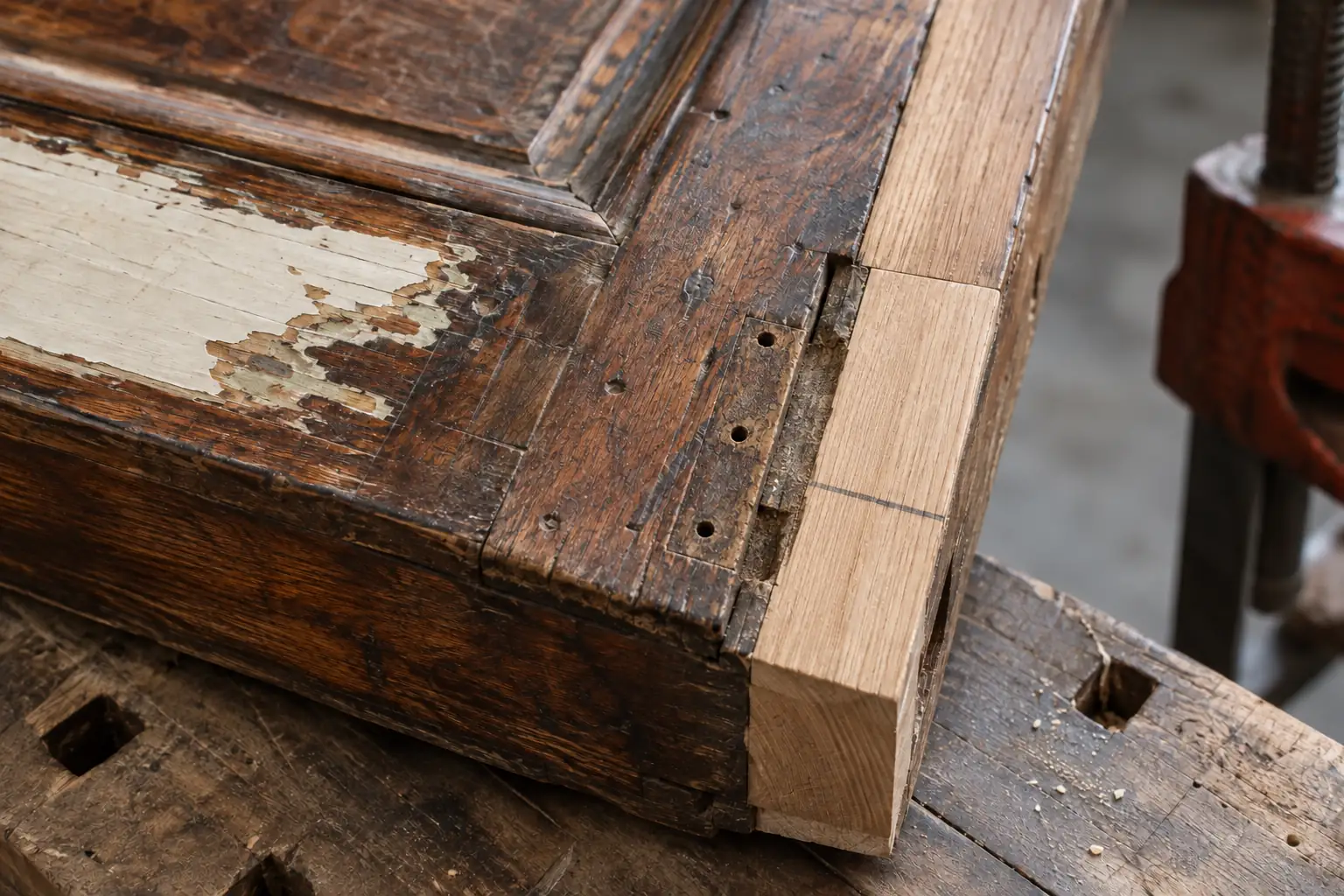
Original windows can often be repaired, including the sashes, cords, glazing putty and frames. Assess their condition and performance with a specialist before choosing repairs, storm windows or replacement.
Sometimes replacement is the right answer, on performance or on condition. But it should be a decision made after somebody who repairs windows has looked at them, not a default.
Hardware
Door hardware, window hardware, hinges, escutcheons. Small, frequently beautiful, almost always salvageable, and among the first things thrown away because they are attached to something being removed. Stripping and refinishing original hardware is inexpensive work that is disproportionately visible in the finished house.
Plaster
Sound lath and plaster is worth keeping. It has a depth and a slight irregularity that drywall does not, and it performs well acoustically. Cracks are usually repairable; the question is whether the plaster is still keyed to the lath, which someone experienced can tell fairly quickly.
Where plaster has to come down for mechanical work, that is a legitimate reason. Taking it down because it is faster is a different reason.
The practical process
Photograph existing conditions before demolition. Record the details you plan to keep or repair. Documentation also matters if you are considering a historic tax credit, where the approach to historic material is part of the review.
Decide before demolition starts, not during. Demolition has momentum. Decisions made in the middle of it are made by whoever is holding the crowbar.
Set aside somewhere to store what is coming out. Sounds trivial. It is the reason most salvage does not survive.
Know what you are keeping. A refinished hundred-year-old floor will still show wear. Discuss the expected finish and any sample repairs early so the result matches what you want.