Planning and Process
4 min
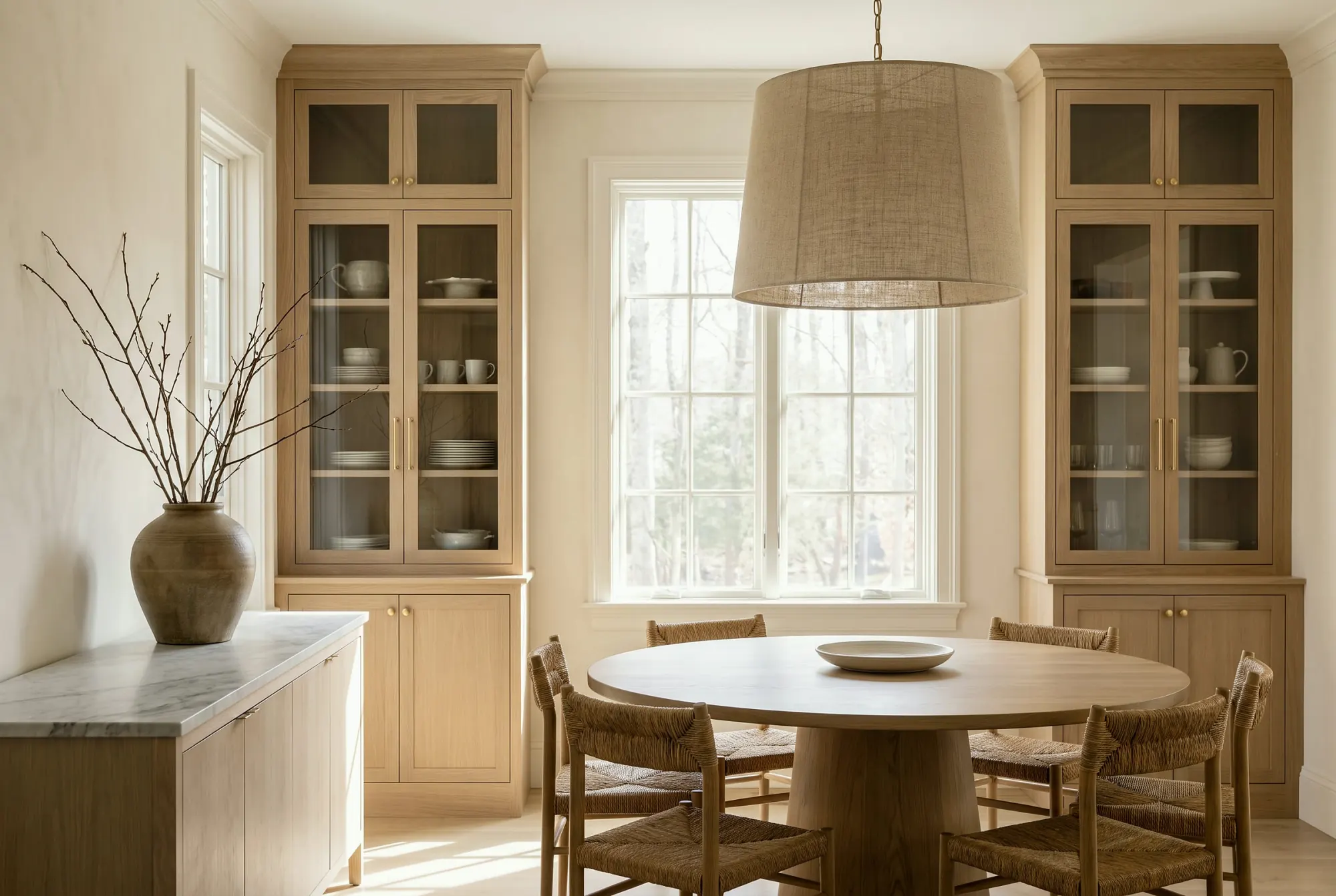
Compare design-build with hiring an architect and contractor separately. Understand coordination, pricing and accountability before choosing your project team.
There are several ways to organize the design and construction of a home. Compare them by responsibilities, when the builder joins, how pricing develops and how design questions will be resolved.
In design-bid-build, you engage an architect to develop the drawings, then ask builders to price the same documents. The architect's involvement during construction depends on the services you agree with them.
In design-build, one firm holds both the design and the construction. The agreement sets out how design and construction are provided and who is responsible for each part of the work.
Both routes need clear coordination between design and construction. Compare the actual team and agreement, including estimating input, responsibility for drawings and the process for approving changes.
A set of drawings is a description of intent. It is not a complete description of a building. Somewhere between the drawings and the finished house, thousands of decisions get made that the drawings did not fully specify: how a particular trim detail resolves at an existing out-of-square wall, what happens when the framing crew opens a ceiling and finds a structural condition nobody could have known about, which of three acceptable ways to flash a tricky roof-to-wall junction gets built.
Both arrangements need a clear process for questions, design decisions and proposed changes. Agree who is responsible, what needs approval and how the cost and schedule effects will be recorded.
Pricing is another consideration. If construction costs are not reviewed as the design develops, bids may reveal a gap between the drawings and the budget. Early builder input can help under either arrangement.
We offer both, so we have no interest in pretending the traditional path is wrong. It frequently isn't.
Hire an architect independently when the design itself is the point. If you want a specific architect because of how that particular person thinks about space and light, you should have them, and you should not let a builder's convenience dictate that choice. Distinguished residential architecture in this region comes from practices with strong individual voices, and that voice is worth protecting.
It also makes sense when you genuinely want competitive bids. Three builders pricing one complete drawing set gives you a real market check. That check has value, particularly on a large project, and design-build does not offer it in the same form.
A separate architect can also provide dedicated design advice on a difficult site, an unusual brief or a historic building. Define that role and the services it includes.
Design-build earns its keep when continuity matters more than competitive bidding. That's most renovations, most additions, and a good number of custom homes.
We review pricing as the design develops so the homeowner and project team can discuss scope changes before construction commitments. Early figures still depend on the information available and the assumptions behind them.
Accountability doesn't split. On a renovation especially, the moment something unexpected appears behind a wall, there is no useful argument about whether it's a design problem or a construction problem. It's our problem. That sounds like a slogan, but it has a practical effect on how quickly things get resolved.
And the schedule compresses, because design, permitting and pre-construction overlap rather than running strictly in sequence. Long-lead items get ordered while drawings are still being finished.
Ask yourself three questions.
Ask who will lead your project, how often they will be on site and how you will reach them. At Halston, the same team stays involved from the first meeting to the final walkthrough.
Those questions matter more than the delivery model. A well-run traditional project beats a badly-run design-build project every time, and the reverse is equally true. The structure sets the default; the people determine the outcome.
We work both ways across Fairfield County and Westchester. If you already have an architect and drawings, that is a normal way to start a conversation with us, not an awkward one.