Fairfield County
Connecticut
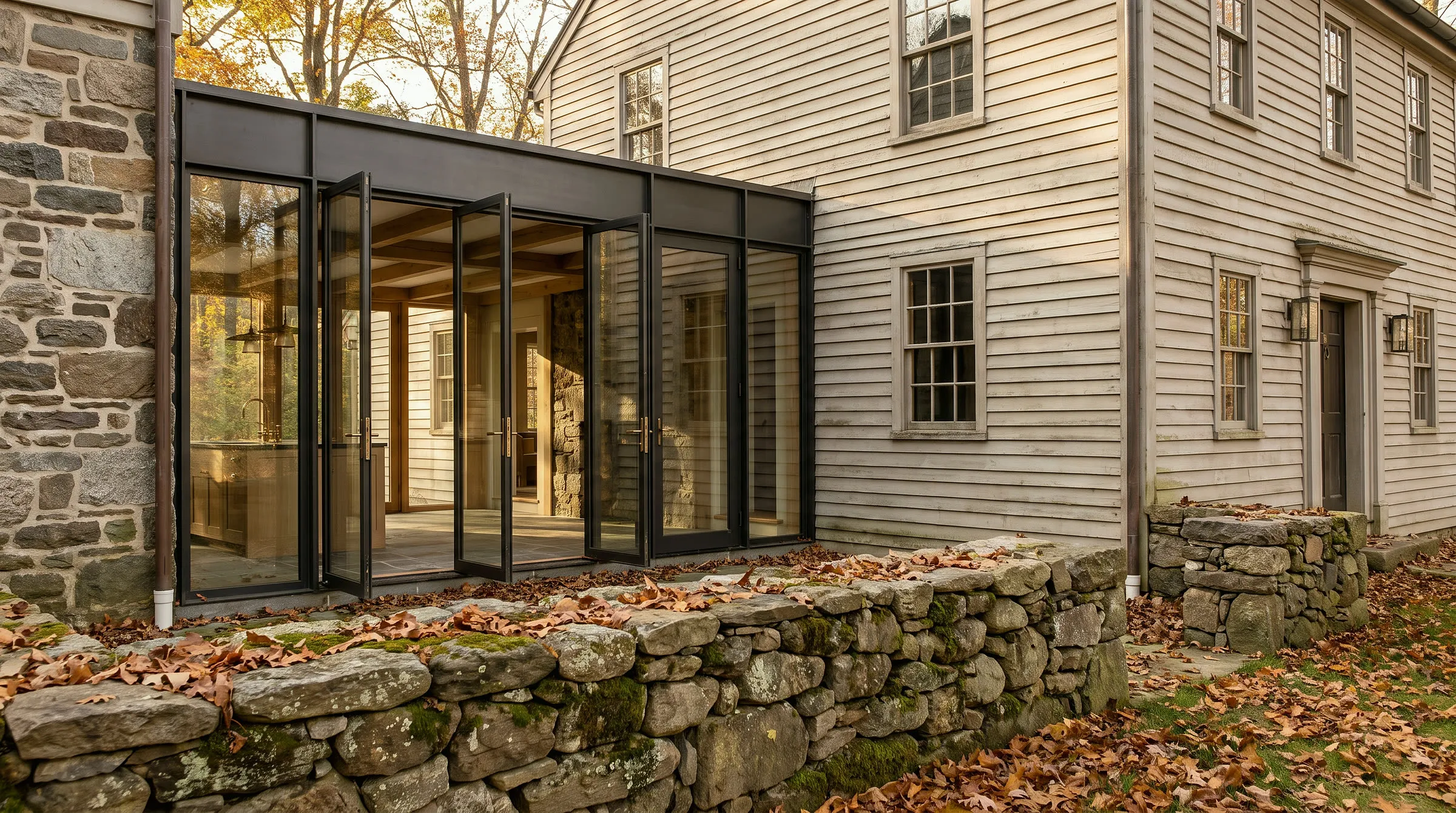
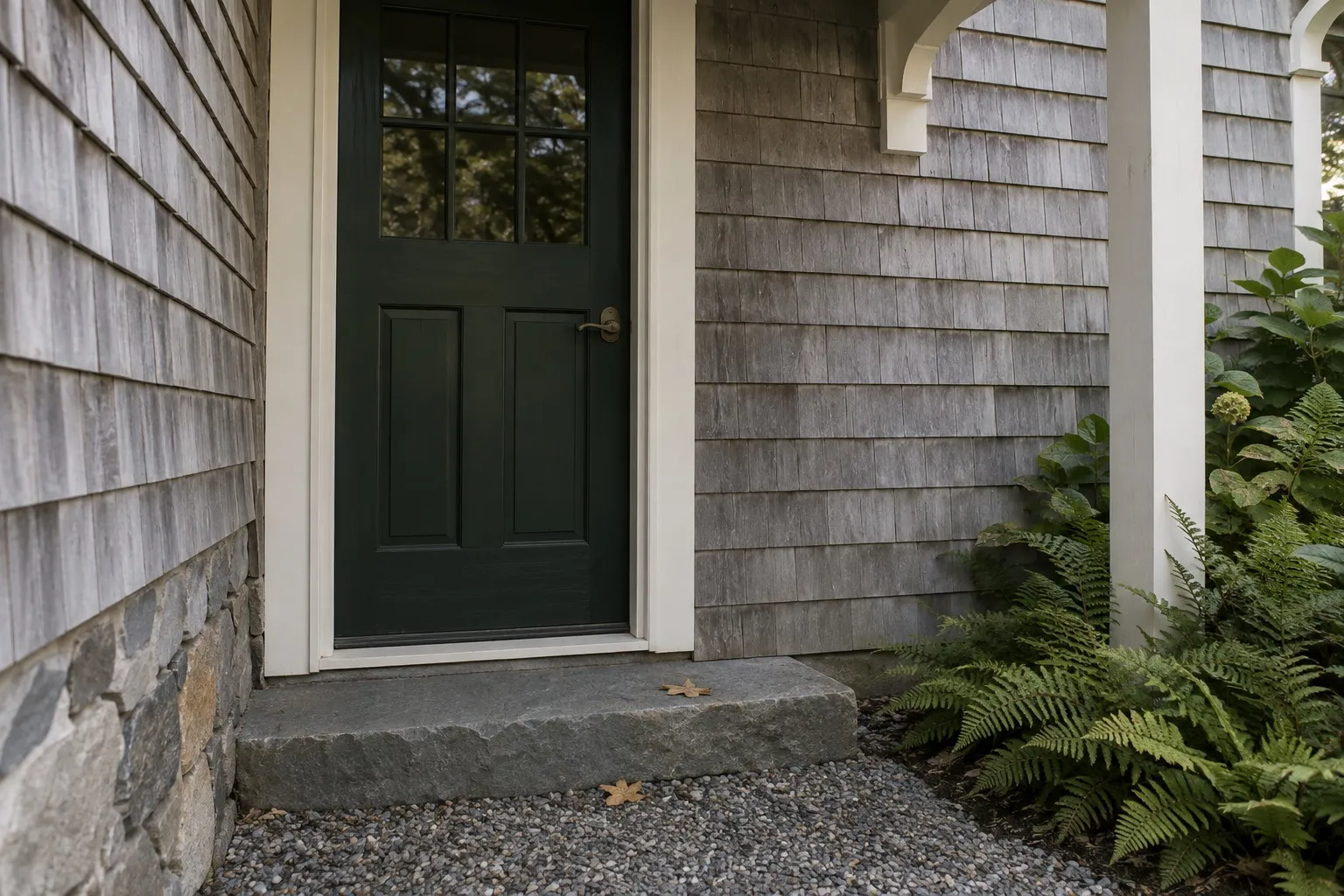
Architecture shown is a design reference, not a documented Halston Builders project in this town. Explore our project portfolio.
Custom homes, renovations and additions across Fairfield County, CT, from Greenwich and Southport to Ridgefield and Easton, by one owner-led design-build team.
Halston Builders is an owner-led design-build firm working across Fairfield County, from Greenwich and Southport on Long Island Sound to Ridgefield and Easton inland. Our design center is in Bridgeport, in the county itself, and the same team leads each project from the first meeting through the final walkthrough.
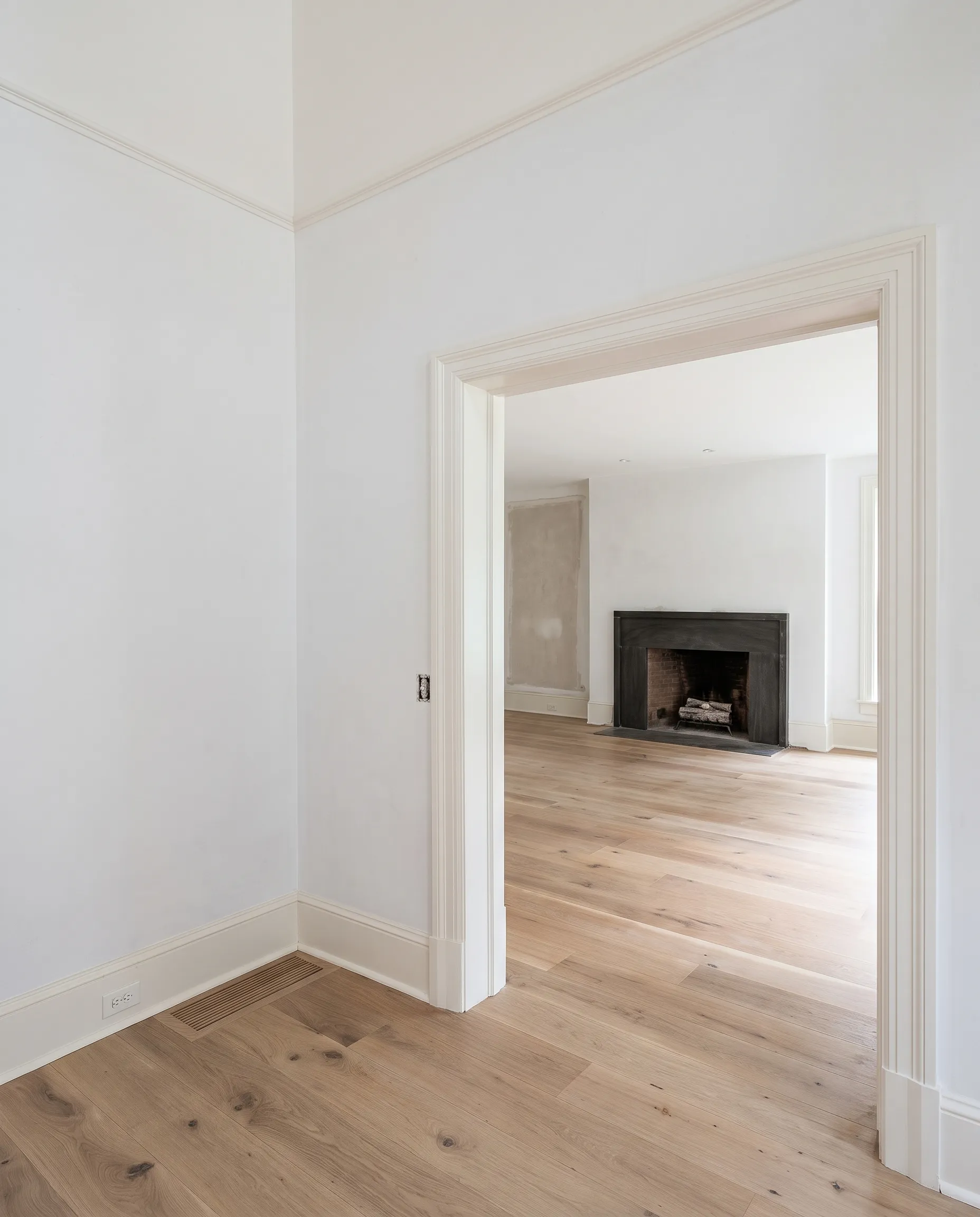
We build custom homes, take on whole-home and gut renovations, and plan and build additions. We renovate kitchens and bathrooms, including tadelakt lime-plaster bathrooms and steam showers, finish lower levels, and build pool houses and accessory structures. Our outdoor living work covers terraces, outdoor kitchens and pool surrounds, and we take on waterfront and coastal construction.
Our built work in Fairfield County includes The Black and Pine Kitchen, The Butler's Pantry, The Marble Bath Suite, The Stone Terrace and The Family Playroom, a finished lower level. In New Canaan, The Mustard Kitchen was shown on the 2026 New Canaan CARES Home Tour.
Connecticut dissolved county government in 1960, so Fairfield County has no county building department, zoning board or health office. Land use is decided town by town. The state is divided into nine planning regions, each served by a council of governments, and the towns on this page belong to two of them: the Western Connecticut Council of Governments and the Connecticut Metropolitan Council of Governments, whose members include Easton, Fairfield and Bridgeport. These councils plan at a regional scale, while the approvals for a house come from the town or city.
Which reviews apply depends on the property and the work. Items to confirm early with the town:
Our permits and approvals guides follow the process town by town, including Greenwich, New Canaan and Westport.
Each town below has its own page on its houses, approvals and site conditions.
Some towns also have pages on a single type of project: home additions in Greenwich, Stamford, Darien, New Canaan, Westport and Fairfield, and kitchen renovation in Greenwich, Darien, New Canaan and Westport.
Our design-build process keeps design, approvals, budget and construction with one team, so town reviews are planned from the start. During pre-construction budgeting, we price the design as it develops, which lets you adjust the scope before construction. If you already have an architect, we build to your architect's drawings and join the existing team. The same people stay with the project from the first meeting to the final walkthrough.
No. Connecticut dissolved county government in 1960, so zoning, building permits, wetlands review and health approvals come from the town or city, or from a health district that serves several towns. A house in Southport or Old Greenwich is reviewed by the Town of Fairfield or the Town of Greenwich, and a house in Rowayton by the City of Norwalk.
On a lot without public sewer, the local director of health must confirm that a code-complying septic area remains before an addition, garage, pool or accessory structure is permitted, and soil testing is needed if there is no soil data. In a town such as Easton, where sewer service is not available anywhere, that review is part of every addition, so we gather the septic records early.
They can. Many Connecticut towns regulate a review area around wetlands and watercourses, and New Canaan notes that the buffer of a wetland on a neighboring property may extend onto yours. In Greenwich, the regulated area is larger in public drinking water supply watersheds. In towns such as these, wetlands staff can look at a description of the project and say whether an application is needed.
Since October 1, 2025, under Public Act 25-33, Connecticut towns may no longer exempt single-family houses from coastal site plan review, and applications with work in coastal flood hazard areas are referred to DEEP. In a FEMA flood zone, a large renovation or addition can count as a substantial improvement, which can require the whole house to meet current flood standards.
Check with the town. Fairfield, Westport, Ridgefield, Weston, Greenwich, New Canaan, Wilton and Stamford all have local historic districts, where a commission reviews exterior changes, while Darien's 2016 plan noted that the town had not established any. A National Register listing on its own does not prevent changes, but several towns have demolition notice or delay rules for older buildings.
Yes. We review the drawings with your architect before pricing and agree at the outset who is responsible for drawings, approvals, selections and site decisions. Our guide to hiring a builder when you already have drawings covers what to bring to the first meeting.
It depends on the scope and whether living areas can be safely separated from construction. We discuss phasing, a temporary kitchen, dust control and access early. Our guide to living in your house during a renovation covers the trade-offs.
We price the design as it develops, so scope decisions are made with cost in view. Our guides to what drives whole-home renovation cost and kitchen renovation cost in Fairfield County explain the main factors.
We can meet at the house or at our Bridgeport design center, 46 Beatrice St, Unit 2, by appointment. Bring any drawings, surveys or septic and flood records you have. Request a free consultation.